THE MOUNTAIN STREAMS WHERE THE MOORCOCKS CROW
Track 1 & Track 27
Notes on the Track (1) & (27)
Recorded: 1955Recorded: 1992Notes on the Song
This song has been described as ‘the gem of the whole Tunney repertoire’; it is certainly one of the finest of all our traditional songs. It comes down directly from Biddy Gallagher (nee Travers) who moved from Townawully, at the foot of the Blue Stacks, to Teamhair, around 1840. She brought the song with her, and it was her daughter Mary who taught it to Paddy’s own mother Brigid Tunney (nee Gallagher). (JT)
Seán O Boyle tells us (in The Irish Song Tradition): ‘The Mountain Streams is sung traditionally in Derry, Tyrone, North Antrim and Fermanagh. The Antrim version, which seems to suggest a Scots origin for the song, is given in four-line stanzas to a different air in Folksongs of Britain and Ireland (p. 313, No. 136). In the Sam Henry Collection (Vol 1. No. 32) it is claimed for County Derry.’
Another version, which retains largely similar words but has a different melody is sung by – amongst others – Rita Gallagher and Cathal McConnell.
The melody the Tunneys sing is a splendid and demanding one with a range of an octave and a half. Paddy was at the height of his singing prowess when he made this recording in 1955.
The Singers
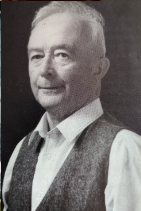
Paddy Tunney
Rec. 1955

Cathal Tunney
Rec. 1992

John Tunney
Rec. 1992
Paddy Tunney
Rec. 1992
The Song Texts
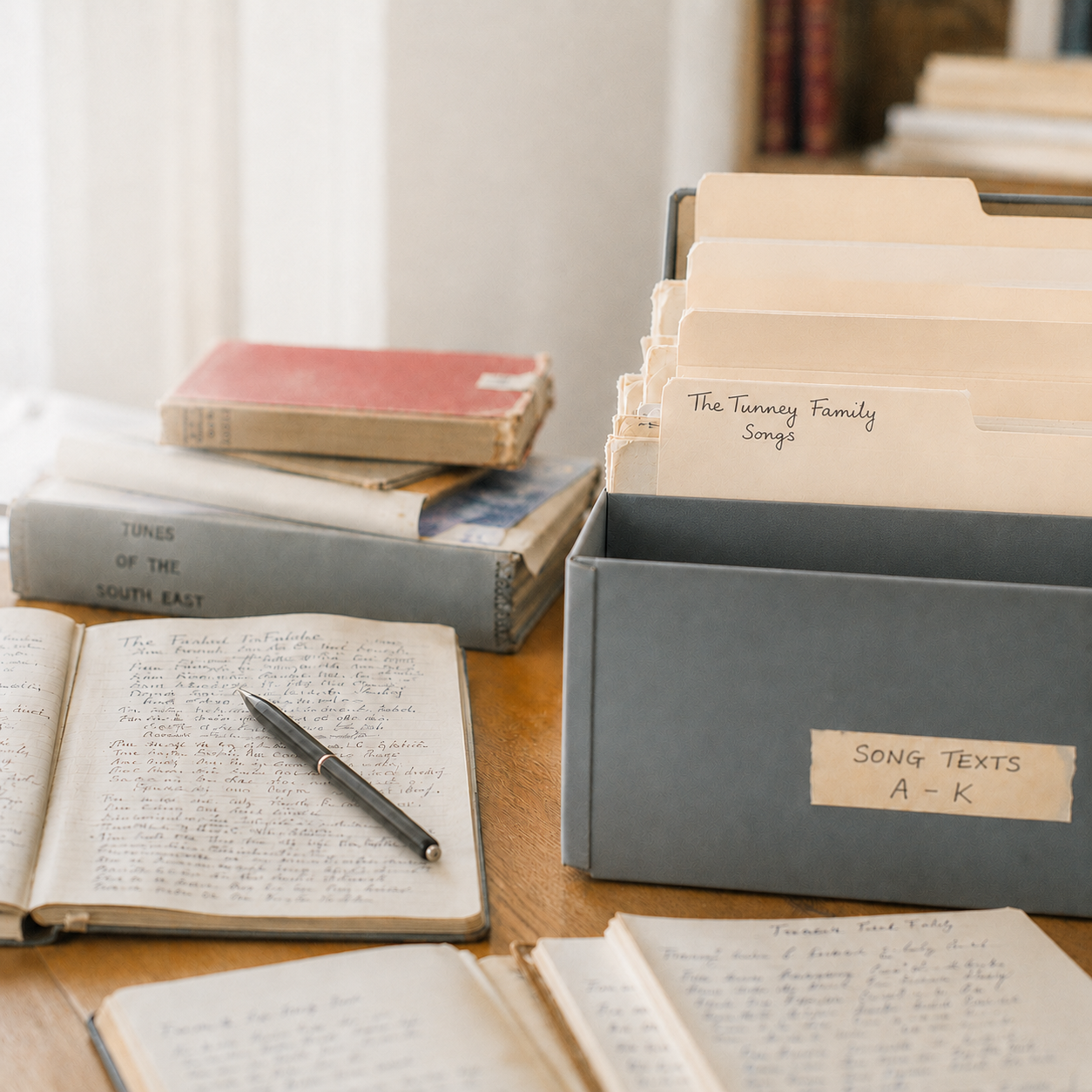
The Tunney Song Tradition Trust’s Archive of Song Texts preserves the words of traditional songs, offering a valuable resource for singers and anyone interested in the living song tradition.
Where the Linnets Sing 2026, developed by the Tunney Song Tradition Trust with Comhaltas Ceoltóirí Éireann, celebrates 75 Bliain ag Fás by bringing the original collection to a new online audience, enriched with fifteen additional tracks, eleven more voices and two further generations of the tradition.