RÓISÍN DUBH
Track 10
Notes on the Track (10)
Recorded: 1955Notes on the Song
There are several versions of Mo Róisín Dubh, and at least thirty verses in print. (Muireadhach Méith's Amhráin Chúige Uladh has over twenty verses.) Though it is argued by many that the original Róisín Dubh was a love song, there is no doubt but that there also existed, probably from the early decades of the 17th century, a version in which Ireland was referred to allegorically as ‘Mo Róisín Dubh'. The setting Paddy sings here is very close to the one in the Hannagan/Clandillon collection Londubh an Chairn. In her notes about Róis Geal Dubh Máiréad Ní Annagáin wrote:
‘There are several different airs to the Róis Geal Dubh, the subject being constantly wrought on by both poets and singers. The “Fair Dark Rose” was emblematic of Ireland and was one of the many names under which the poets in troubled times sang the sorrows of their native land.’
Mo Róisín Dubh has long been a most cherished song, and in the early 1960s Seán Ó Riada's celebrated orchestral arrangement for the theme music for the film Mise Éire brought the melody to the attention of many who had hitherto been unaware of its splendour.
Paddy had been singing it from long before that. He likely learned it in the late 1930s from his aunt Minnie Gallagher. If so, her source may well have been an t-Athair Pádraig Breathnach’s Ceol Ár Sínsear (1923), which she was awarded as a prize at An Feis Ghlaschú, the Glasgow Feis, in 1932. Minnie was Brigid Tunney’s sister. She lived and worked in Glasgow where she moved in Conradh na Gaeilge circles and where she learned many songs in Irish. Paddy sang Róisín Dubh in his cell in the Crumlin Road Gaol while serving a seven-year sentence for IRA activities. We also know that he sang it at a coming home (from prison) party or céilí in June 1947. The event was held in MacCabe’s Hall in Belleek. (JT)
Paddy Tunney captures the essential feeling and passion of the song to perfection in this recording which was made in 1955. I cherish it as one of his very greatest performances.
The Singers
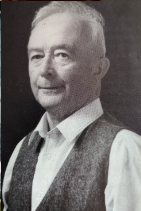
Paddy Tunney
Rec. 1955
The Song Texts
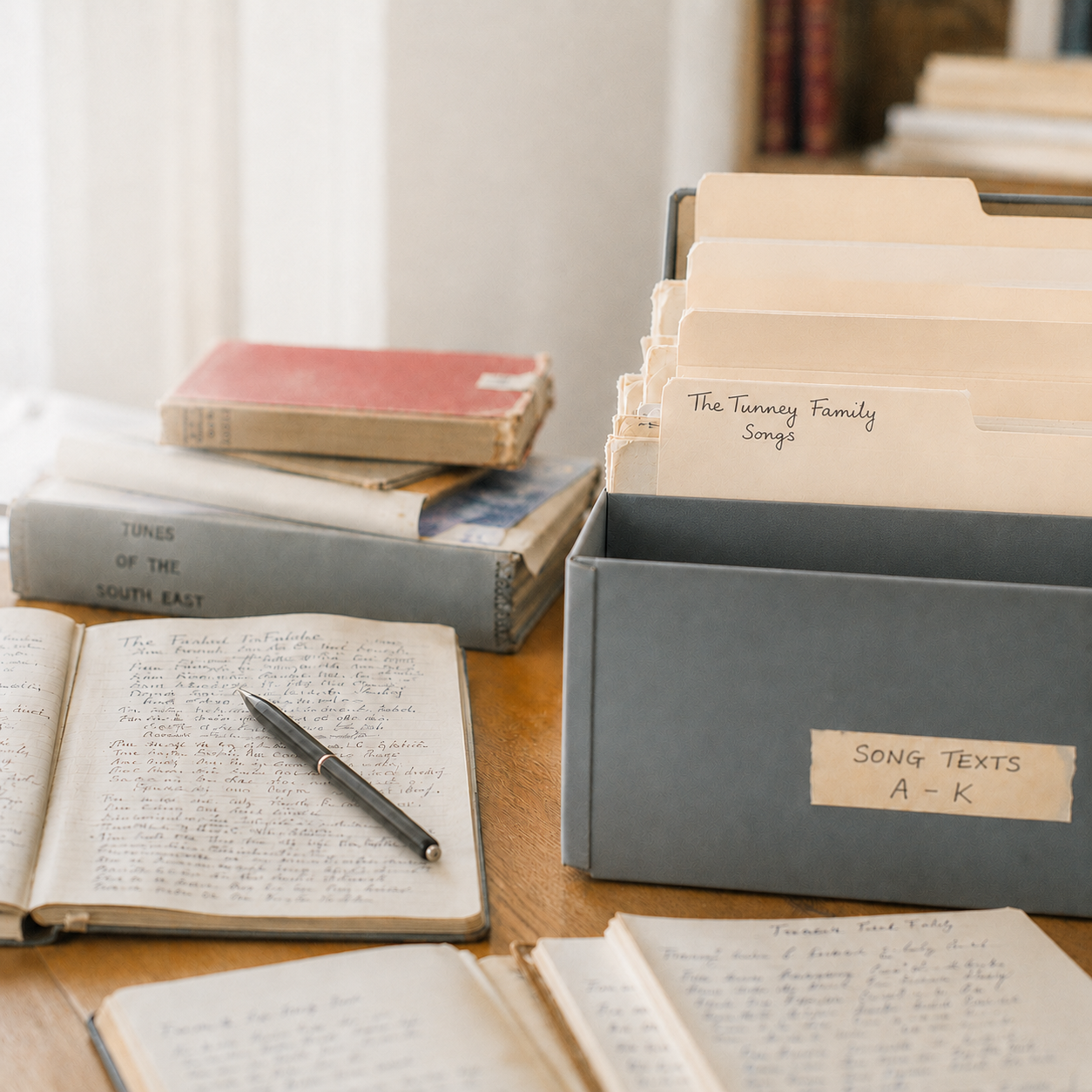
The Tunney Song Tradition Trust’s Archive of Song Texts preserves the words of traditional songs, offering a valuable resource for singers and anyone interested in the living song tradition.
Where the Linnets Sing 2026, developed by the Tunney Song Tradition Trust with Comhaltas Ceoltóirí Éireann, celebrates 75 Bliain ag Fás by bringing the original collection to a new online audience, enriched with fifteen additional tracks, eleven more voices and two further generations of the tradition.