
Recorded: 1953/92Notes on the Song
The title should really be Estersnowe, or, perhaps, Diseart Nuadhan, the original Gaelic name for a townland in Co. Roscommon. (Díseart Nuadhan means ‘Nuadha’s Hermitage’). Still, the title Easter Snow has its own beauty and imagery and has possibly helped to bring the melody to the attention of the several instrumentalists who play it as a fine air.
The song tells how the writer roved out in the morning and encountered a fair maid who reminded him of Diana, or of the ‘evening star’.
Brigid Tunney and her siblings got this song from a visiting singer who sang it at a house party. Thus, they heard it just once. They were so taken by it, they ‘reconstituted’ both the words and the music the next day. This explains why the Tunney/Gallagher version has the character of a fragment and also why the text and indeed the melody are not exactly the same as what survived elsewhere. (JT)
The rhyming system is mostly based on the assonantal structures of Irish poetry.
The music and words, almost certainly brought together from different sources by Peter Kennedy, are already in print in Folksongs of Britain and Ireland (1976). They also appear in O Boyle’s The Irish Song Tradition.
This recording is an interesting presentation of the song: we have the first two verses sung by Brigid Tunney in 1953, and a third verse sung by her son Paddy in 1992. Hence, on this recording the voice of the son, then aged seventy-one, is older than the voice of his mother, who is sixty-eight. (JT)
The Singers
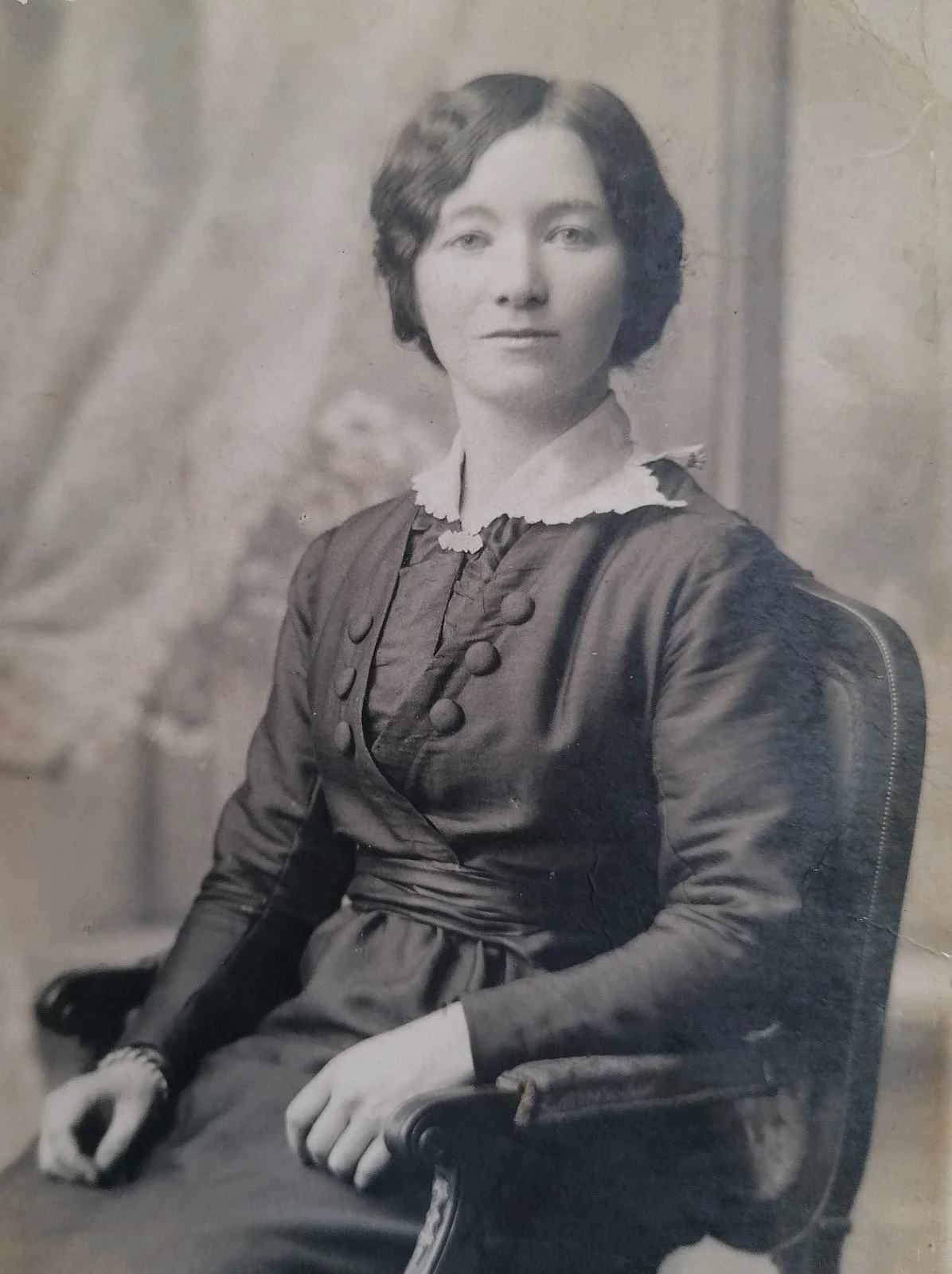
Brigid Tunney
Rec. 1953
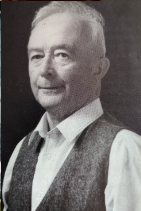
Paddy Tunney
Rec. 1992
The Song Texts

The Tunney Song Tradition Trust’s Archive of Song Texts preserves the words of traditional songs, offering a valuable resource for singers and anyone interested in the living song tradition.
Where the Linnets Sing 2026, developed by the Tunney Song Tradition Trust with Comhaltas Ceoltóirí Éireann, celebrates 75 Bliain ag Fás by bringing the original collection to a new online audience, enriched with fifteen additional tracks, eleven more voices and two further generations of the tradition.