THE ROLLICKING BOYS AROUND TANDRAGEE
Track 42
Notes on the Track (42)
Recorded: 1953Notes on the Song
‘Writing in 1586, the Elizabethan critic William Webbe says about songs of this type: “neither is there any time or stroke which may be sung or played on instruments which has not some poetical ditties framed according to the numbers thereof, some to Trenchmore, to Galliards, to Pavines, to Jigs to Brawls, to all manner of tunes which every fiddler knows better than my-self.” These fiddle-tunes were used in Ireland for many types of song, but most remarkably for the expression of local pride. The index to O'Neill’s Dance Music of Ireland abounds in tunes celebrating The Boys of Ballinfad, of Coonamore, of Ballysodare and Cappoquin and Ballinchalla and Portaferry and other places, north, south, east and west.
‘It was almost inevitable that a jolly family like the Tunneys should have a few good jig-songs of this type on their tongues. The song Paddy sings here contains, among other less worthy items, references to the literary and political idols of nineteenth-century Ireland. The Tandragee referred to in the song is in the Inishowen Peninsula of Donegal’ (Seán O Boyle, A Wild Bees’ Nest).
The iconic personalities referenced in the third verse – Edmund Burke, Robert Emmet, Daniel O’Connell and Thom Moore – place it in the ‘Old Ireland’ of the early 19th century. Michael Gallagher himself seems to have believed that it was a parody of a form of stage-Irishness, but if he did, that did not prevent him from singing it with great verve.
*The notes for songs 28-42, if not covered by earlier entries, have been compiled by John Tunney.
The Singers
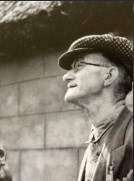
Michael Gallagher
Rec. 1953
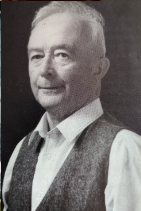
Paddy Tunney
Rec. 1953
The Song Texts
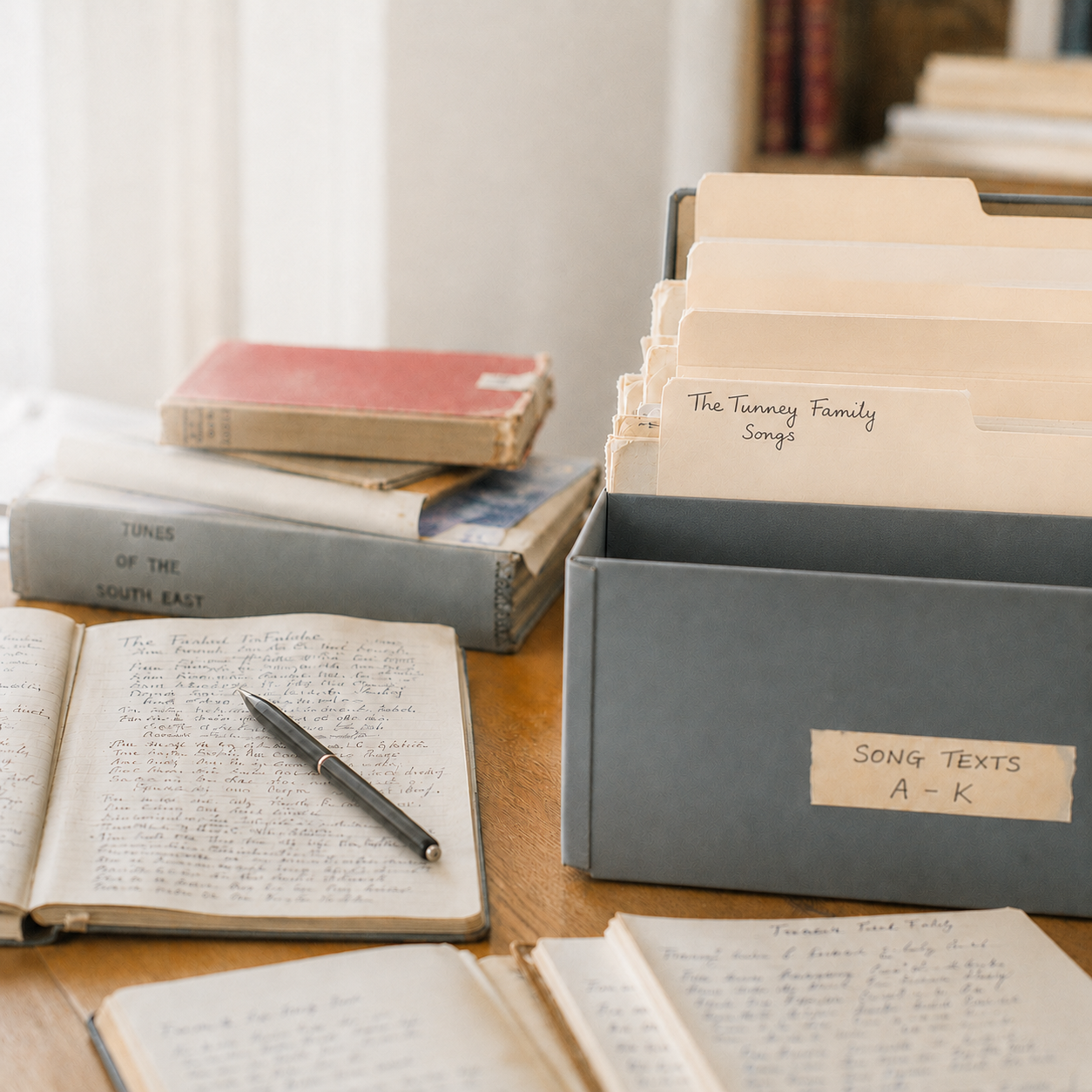
The Tunney Song Tradition Trust’s Archive of Song Texts preserves the words of traditional songs, offering a valuable resource for singers and anyone interested in the living song tradition.
Where the Linnets Sing 2026, developed by the Tunney Song Tradition Trust with Comhaltas Ceoltóirí Éireann, celebrates 75 Bliain ag Fás by bringing the original collection to a new online audience, enriched with fifteen additional tracks, eleven more voices and two further generations of the tradition.